In most of India, Dussehra follows a familiar script. The effigy of Ravana goes up – tall, papier-maché, stuffed with firecrackers. At the appointed hour, it burns. The crowd cheers, the smoke clears, and the festival is over. It is a spectacle with a fixed running time and a clear ending.
In Himachal Pradesh, when that effigy burns elsewhere, the mountains are just getting started.
Dussehra in Himachal Pradesh is not one event but a constellation of living traditions that differ valley by valley, village by village, deity by deity. It is a festival that the mountains have been celebrating in their own way for four centuries, and the version that happens here carries almost nothing in common with the standard-issue effigy burning of the plains – except the date on which it begins.
When the Gods Come Down from the Villages
The heart of Dussehra in Himachal Pradesh is not an effigy. It is a congregation of deities.
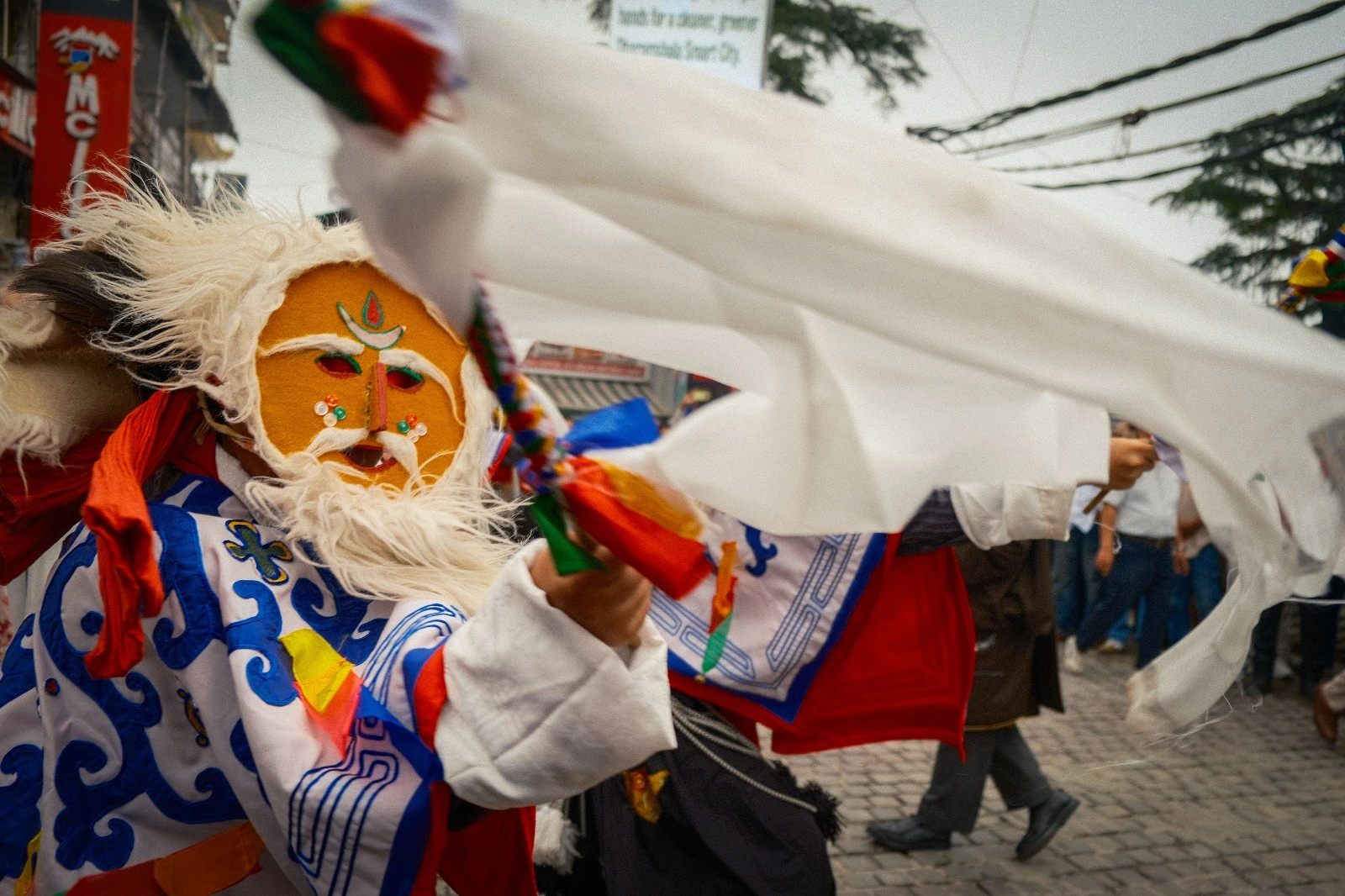
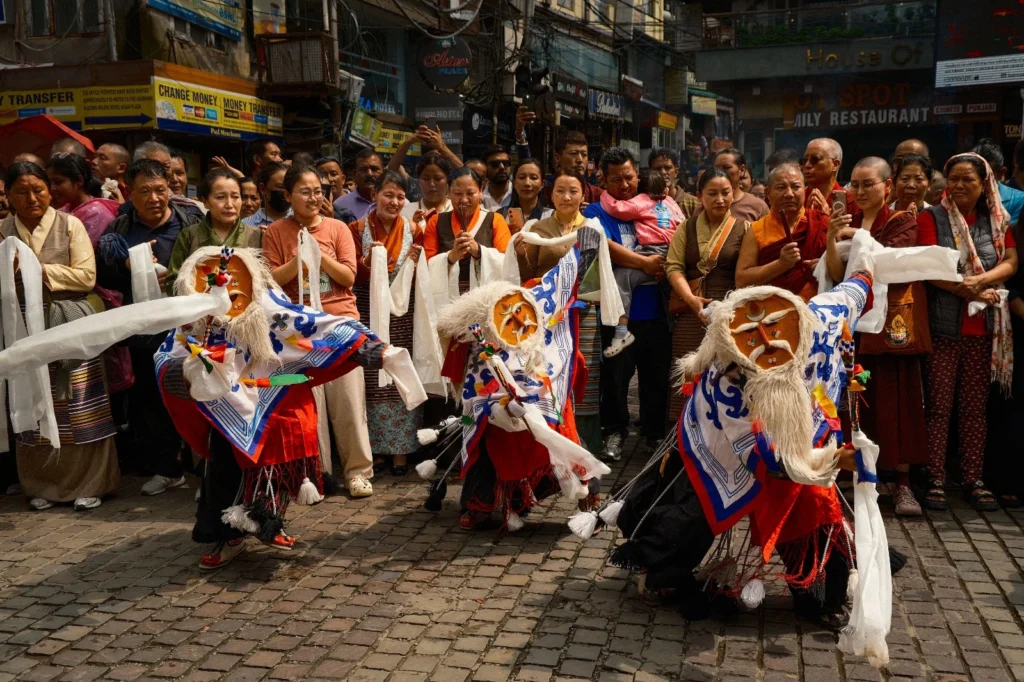
Every village in the hills has its own Devta – a local deity, intensely personal to the community that worships it, housed in a temple and consulted on everything from marriages to harvests to disputes. These Devtas are not distant, abstract figures. They live, in the Himachali understanding, within the communities they protect. Their idols are housed in wooden palanquins, dressed in traditional costumes and ornaments unique to each deity, and carried on the shoulders of devotees when they travel.
During Dussehra, these deities travel. They come down from their villages in decorated palanquins, accompanied by nagara drums, the haunting note of the ransingha horn, and the chanting and singing of their devotees. Over 200 Devtas converge on the Dhalpur Maidan in Kullu for the Dev Milan – a congregation of gods that has no equivalent anywhere else in India. The presiding deity, Lord Raghunath, a 17th-century installation by Raja Jagat Singh brought from Ayodhya, leads the procession in a magnificent chariot pulled by devotees, the valley echoing with conch shells and drums as it moves.
This is Dussehra in Himachal Pradesh: not a burning but a gathering. Not an ending but a week-long living festival that begins precisely on Vijayadashami, when the rest of the country’s celebration has already concluded.
The Nati, the Food, and the Things That Don’t Make the Brochure
The Nati is Himachal Pradesh’s own dance form – performed by both men and women, accompanied by traditional instruments, in a synchronized swaying rhythm that entire villages know from childhood. During Dussehra in Himachal Pradesh it is everywhere: at the maidan, in the lanes around the festival ground, in small village celebrations across the Kangra Valley where local Devtas hold their own quieter processions away from the Kullu spectacle.
The Kangra Valley, in which Rakkh sits, has its own festival rhythm during this season. The valley’s own Devtas hold processions through their village territories – smaller than Kullu’s great gathering, but in many ways more intimate. To witness a village Devta carried through a narrow mountain lane, accompanied by its community of devotees singing traditions that predate the resort, the highway, and possibly the road itself, is an experience that no organized tour produces. It happens because the hills have always done this, and will continue to do so regardless of whether anyone books a ticket for it.
Rakkh as a Base for the Festival Season
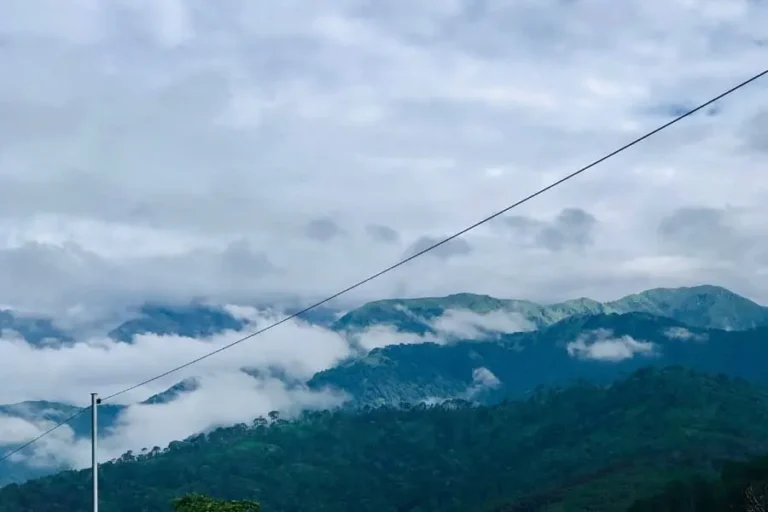
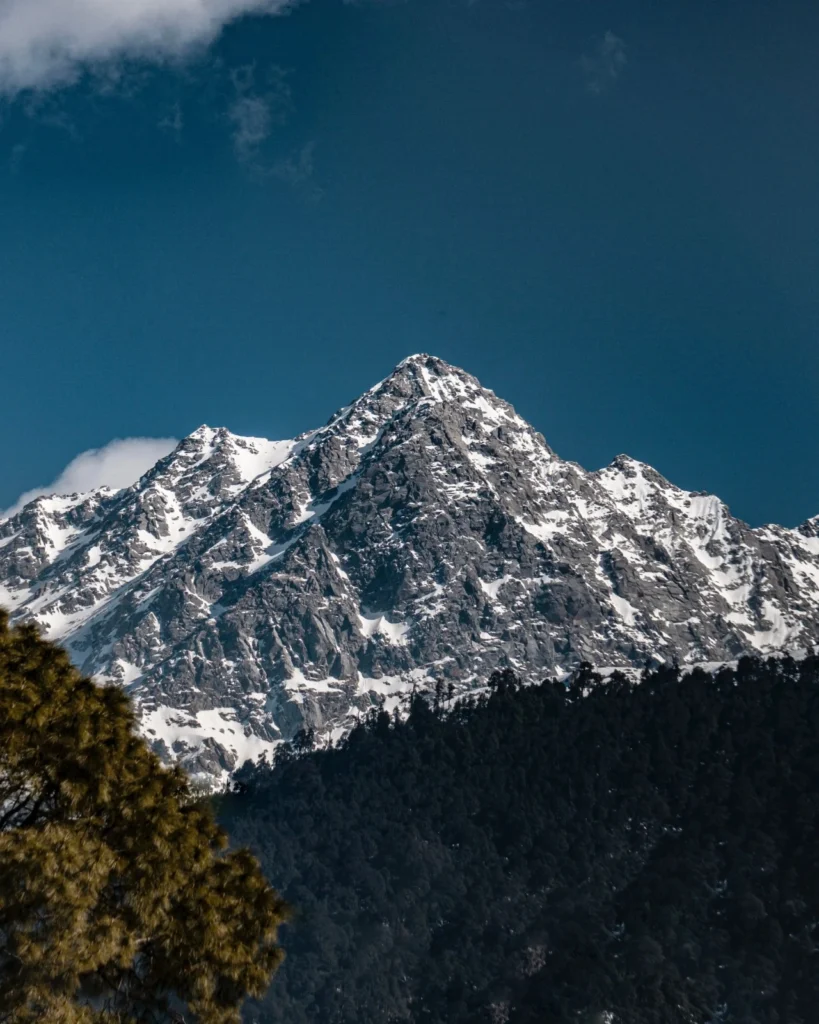
October is Himachal Pradesh at its most beautiful. The monsoon has just ended. The air is clear in a way that only follows weeks of rain. The Dhauladhar range from the Kangra Valley is sharper and closer in October light than at any other point in the year, and the valley itself is at peak colour – the tea gardens still green, the deciduous trees beginning to turn, the sky a particular shade of deep blue that photographers return for.
Staying at Rakkh during Dussehra in Himachal Pradesh places a guest in this landscape at its most vivid, within easy reach of the Kullu Dussehra celebrations and the quieter village processions of the Kangra Valley itself. The resort’s connections to local culture – its Himachali Rasoi, its artisan craft sessions, its staff who are from these hills and know when and where the Devta of a neighbouring village will travel – make the difference between watching a festival and being adjacent to it in a way that feels real.
Dussehra in Himachal Pradesh is not a spectacle designed for tourists. It is a living tradition that happens to be extraordinarily beautiful to witness. Rakkh is the right place to do it from – quietly, at the pace the mountains set for it, the way the hills have always celebrated.
Experience Dussehra in Himachal Pradesh the way the mountains celebrate it. Stay at Rakkh and let the valley show you the festival as it has always been. Explore at https://rakkh.com/