In the city, Diwali arrives with a particular kind of energy – collective, loud, immediate. The lights go up simultaneously across entire neighbourhoods. The firecrackers begin at dusk and continue well past midnight. Sweets travel between houses. The festival is something experienced alongside everyone else, all at once, with the same intensity everywhere you look.
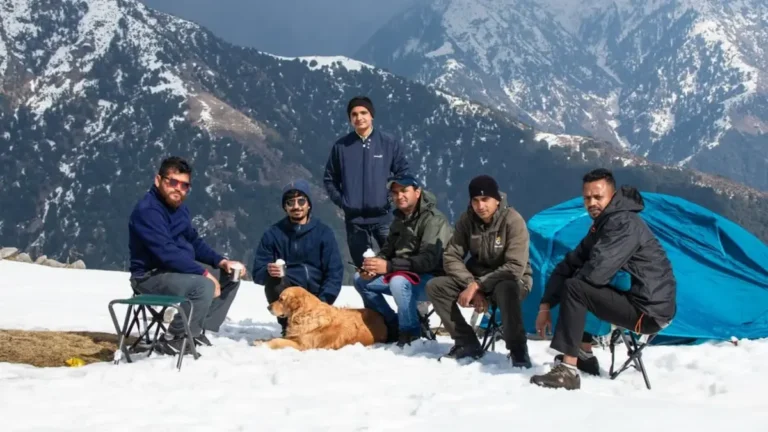
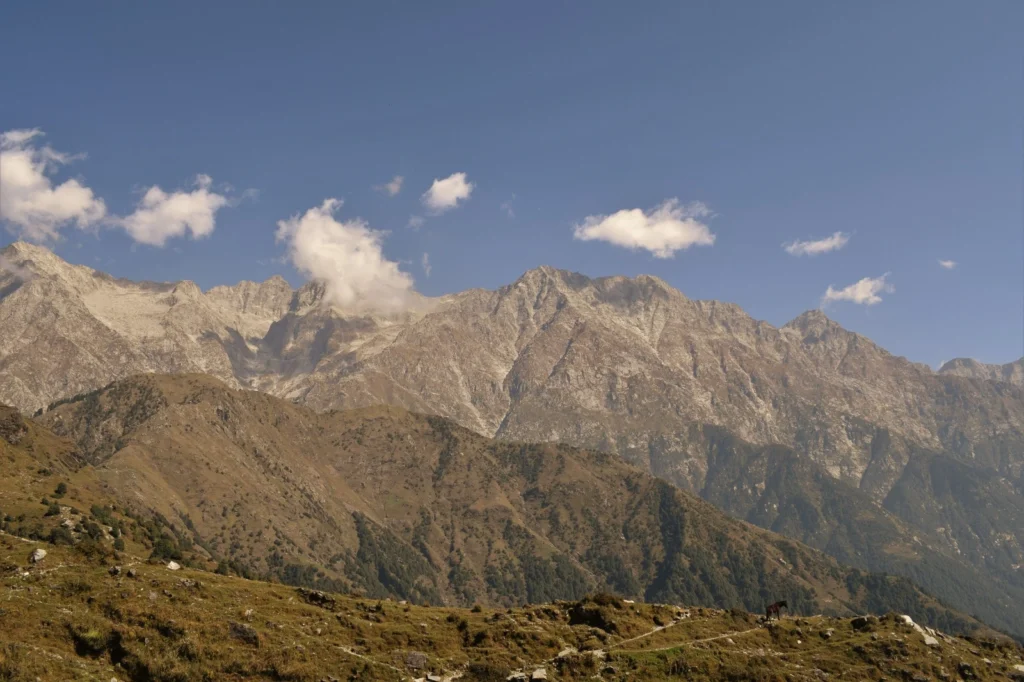
In the mountains, Diwali is different. Not lesser – different. The valleys of Himachal Pradesh observe the same date, light the same earthen diyas, prepare the same sweets. But the scale is different, the pace is different, and the quality of the light against the Dhauladhar range on a November night is something a city Diwali cannot produce, because a city doesn’t have mountains behind it.
And then there’s Budhi Diwali – the festival that the mountains kept for themselves, a month after everyone else has packed away the fairy lights and moved on.
Diwali in the Hills: What Changes When the Setting Does
The rituals of Diwali in Himachal Pradesh are recognisably the same as elsewhere – Lakshmi Puja in the evening, earthen lamps arranged in rows along windowsills and courtyard walls, sweets made from local recipes, the cleaning and preparation of homes in the days before. These are not different celebrations. They are the same celebration, experienced in a different register.
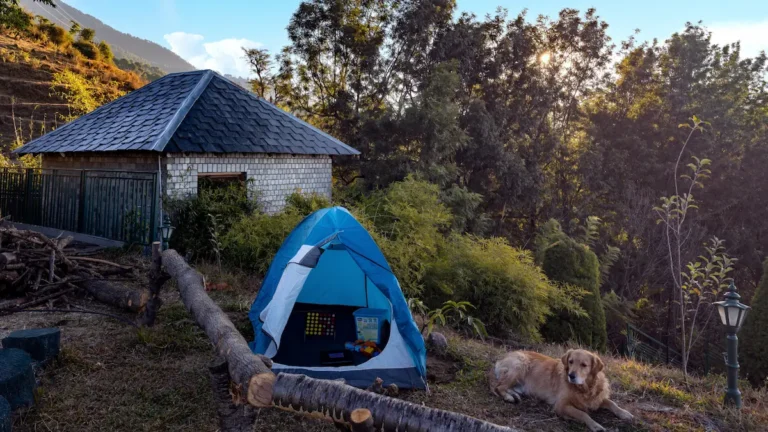
What changes is the sensory context. A diya lit on a cottage windowsill at Rakkh, where the Dhauladhar range fills the horizon and the valley is dark except for the scattered warmth of village lights below, is the same clay lamp as any other. But it burns differently when there is nothing between it and the mountain. The silence of a hill Diwali night – no firecrackers echoing off concrete buildings, just the sounds the valley makes regardless of what festival is happening – gives the festival room to be itself in a way that urban celebrations don’t always allow.
This is not a criticism of city Diwali. It is simply the observation that Diwali in Himachal Pradesh, celebrated at pace the hills set for everything else, is a genuinely distinct experience. Slower, more personal, more connected to the physical landscape in which it happens.
Budhi Diwali: When the Mountains Celebrate on Their Own Time
There is a detail about geography and timing that most people outside Himachal Pradesh have never heard, and that explains something important about the relationship between these mountains and the rest of the country.
When Lord Rama returned to Ayodhya and the city lit its lamps, news travelled slowly through the Himalayan ranges. In certain remote villages – cut off by terrain, by altitude, by the sheer distance the message had to travel – the news arrived late. A month late, by some accounts. And so those villages celebrated when the news reached them, not when it reached the plains. That delayed celebration became a tradition. Budhi Diwali – meaning old Diwali, or elder Diwali – is still observed in parts of Himachal Pradesh exactly one month after the mainstream festival, in the districts of Kullu, Mandi, Shimla, and Sirmaur.
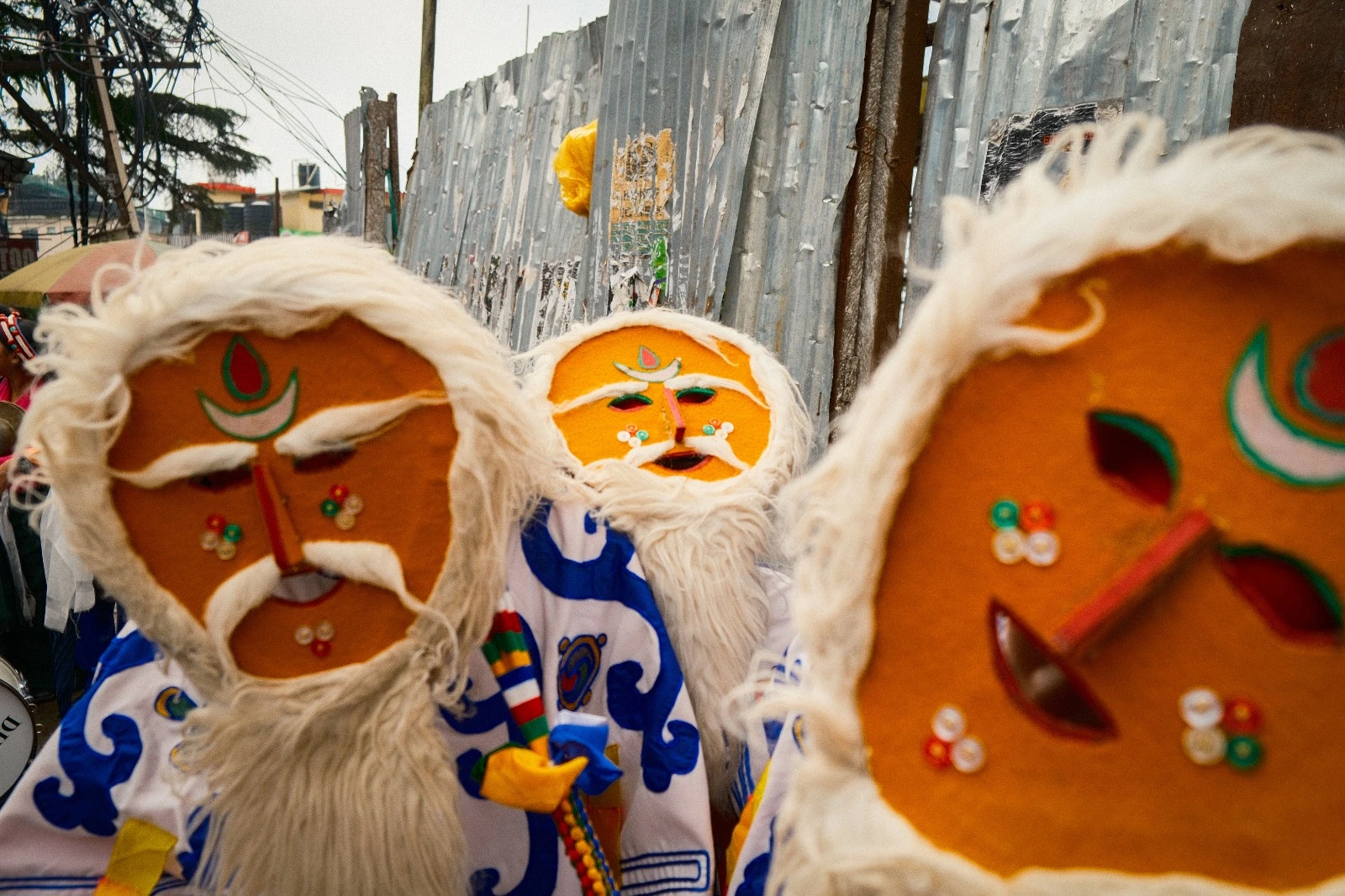
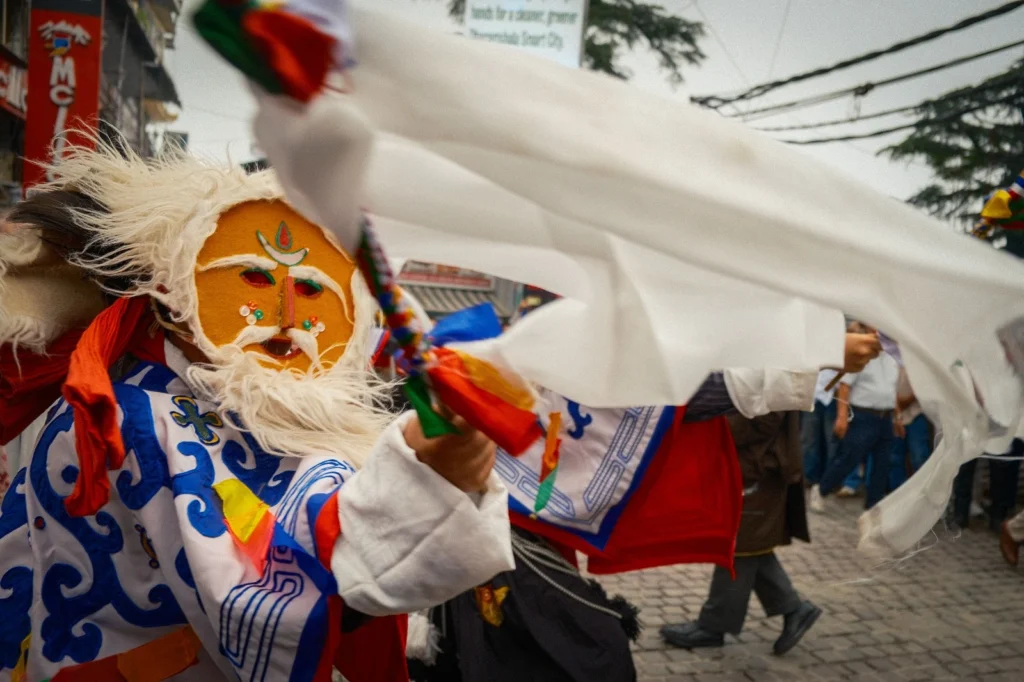
What distinguishes Budhi Diwali from the Diwali most people know is not just timing but form. There are no electric lights or firecrackers. Instead, villagers carry mashalas – torches made from cedar and pine wood – through the village in the darkness, dancing around it to the beat of drums. The night-long celebration is communal in the deepest sense: the whole village moving together, torch-lit, in a rhythm that has not changed in centuries. Pahari songs narrate the Ramayana in the local language. The mountains hold the sound in a way that flat terrain cannot.
Celebrating Diwali in Himachal Pradesh from Rakkh
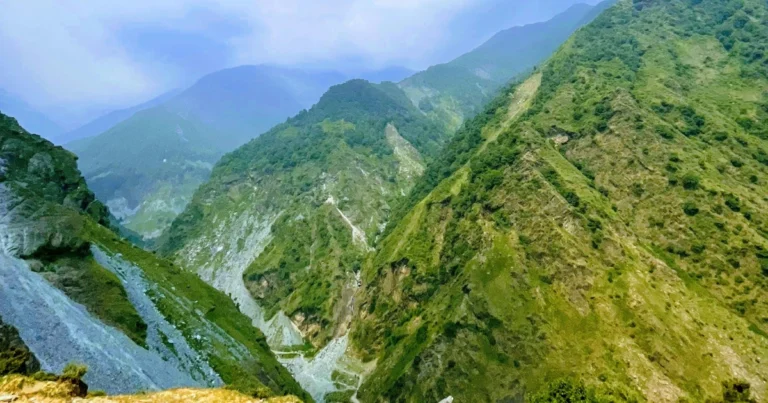
The Diwali season in the Kangra Valley arrives at the most beautiful time of year in this part of the hills. The post-monsoon clarity that October brings has settled into the deeper, crisper light of November. The Dhauladhar range is sharp and close in winter air. The valley below the resort carries the warmth of harvest season, and the night sky – genuinely dark in the way that hill skies are – makes a row of diyas visible from a distance that the city never affords.
Staying at Rakkh during Diwali in Himachal Pradesh means experiencing the festival at the pace the valley sets. The Himachali Rasoi takes on its own festive character in season. The local experiences – craft sessions, village walks, connections to the communities whose Devtas and traditions surround the property – place a guest within the living culture of the celebration rather than as a spectator of it.
And for those who time their visit right, Budhi Diwali in the surrounding districts adds a second chapter to the festival season that most of India doesn’t know exists. A month after the mainstream celebration has ended and the city has moved on, certain mountain villages will still be dancing around torches in the dark, the way they have always done – on their own time, in their own way, because the mountains received the news late and never saw a reason to change.
Experience Diwali in Himachal Pradesh at the pace the mountains have always celebrated it. Discover the Rakkh festive season at https://rakkh.com/