There are two ways to plan a corporate retreat. The first produces a well-organised event: the right venue, the right dates, the rooms assigned, the sessions scheduled, the meals arranged. It ticks every logistical box. And it may or may not bring the team any closer together, because logistics is not what determines that outcome.
The second way starts from a different question: what would need to be true about these three days for the team to return to work with stronger relationships than they arrived with? That question is harder to answer than “where should we book?” and it rarely appears on a retreat planning checklist. But it is the question that separates the corporate retreats people remember from the ones they file away with the travel reimbursement form.
Here is how to plan for the second outcome. Not the logistics – those are table stakes. The relational architecture of a corporate retreat that actually brings teams closer.
Set the Intention Before Anyone Arrives
Most retreat planning focuses entirely on what will happen during the retreat. Very little attention goes to how the team arrives at it. And the emotional state in which people walk through the door on the first day shapes everything that follows.
A team that arrives carrying the full cognitive load of the work week – open emails, unfinished decisions, the low-grade tension of a busy organisation – will take most of the first day just to decompress. That’s not wasted time, but it is time that could be shortened by setting a clear intention before arrival. Not a detailed agenda – the opposite. A short, honest communication from leadership in the days before: the purpose of this retreat is not to get more done. It is to know each other better and work together differently when we come back. That reframe, stated explicitly, gives people permission to actually show up rather than perform.
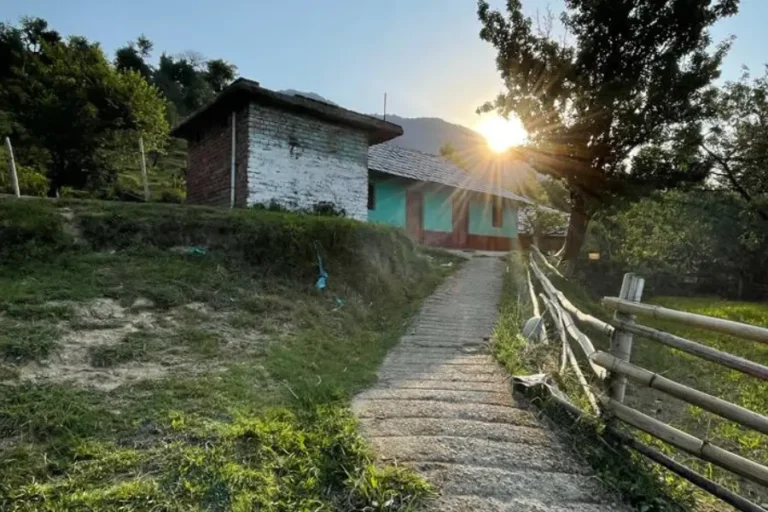
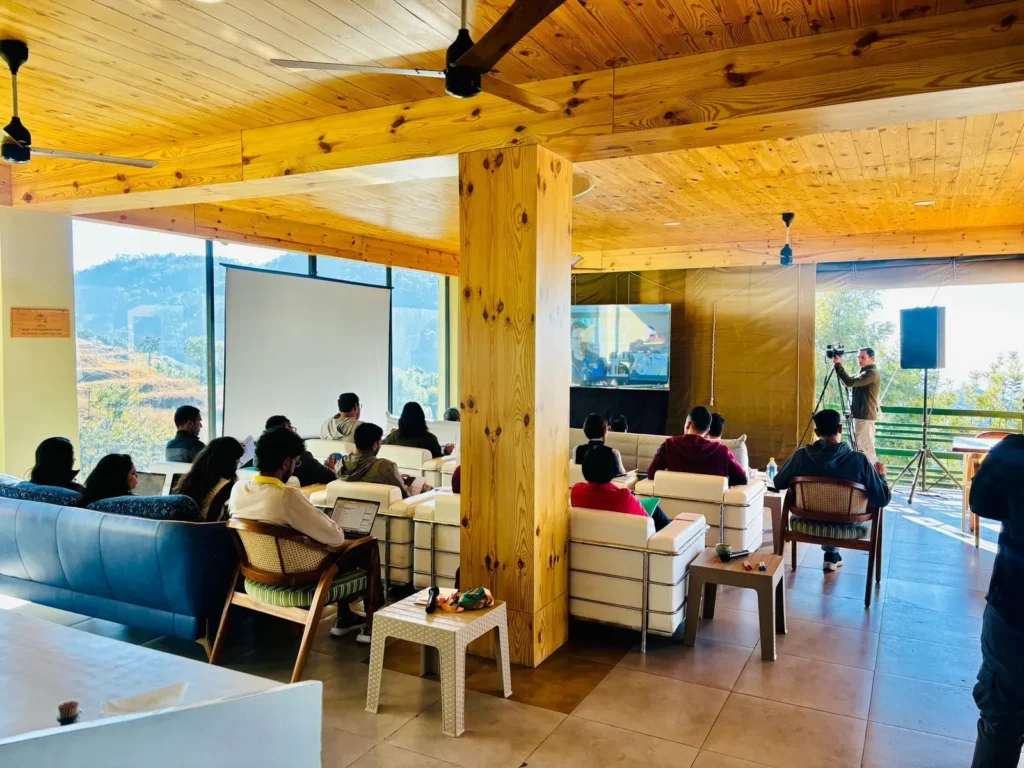
The choice of setting reinforces or undermines this intention from the first moment of arrival. A corporate retreat at Rakkh, where the Dhauladhar range is the first thing a team member sees stepping out of their vehicle, does different psychological work than arriving at a conference hotel with a meeting room booking confirmation in hand. The environment itself communicates: this is different from the office. Something else is possible here.
Design the Experiences to Mix People Differently
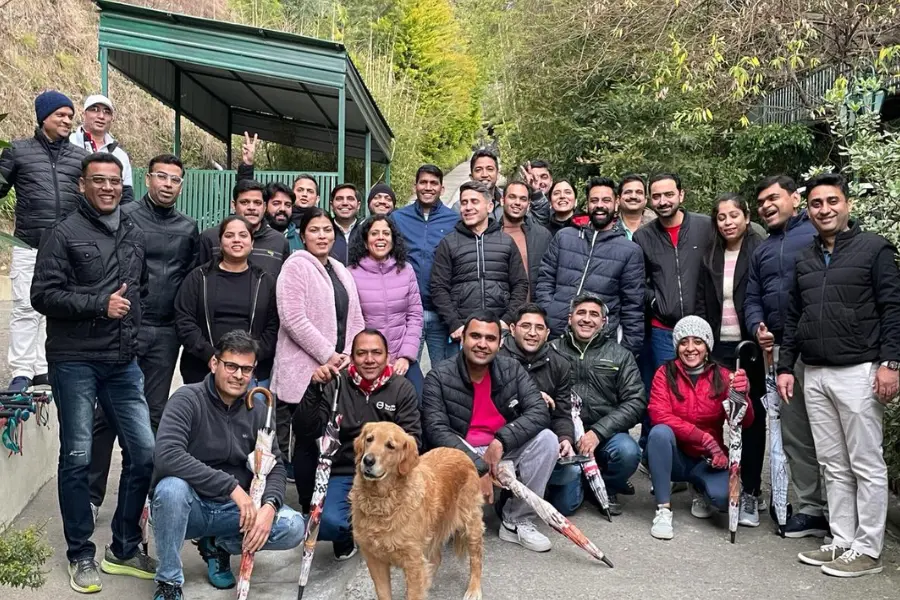
One of the quieter failures of corporate retreats is that they tend to reproduce the social groupings of the office. People sit with their usual teams at dinner. They partner with familiar colleagues on activities. The retreat changes the location but not the map of who talks to whom.
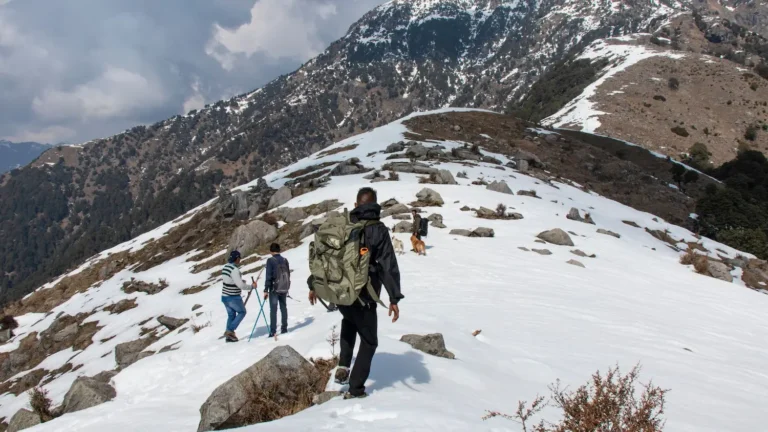
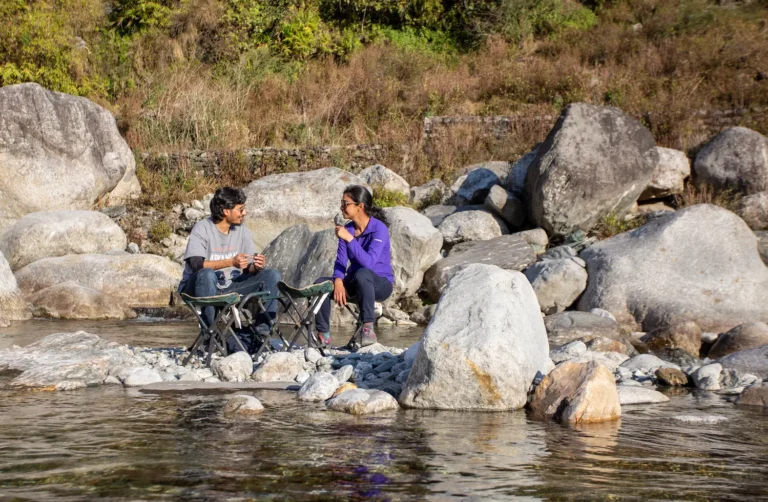
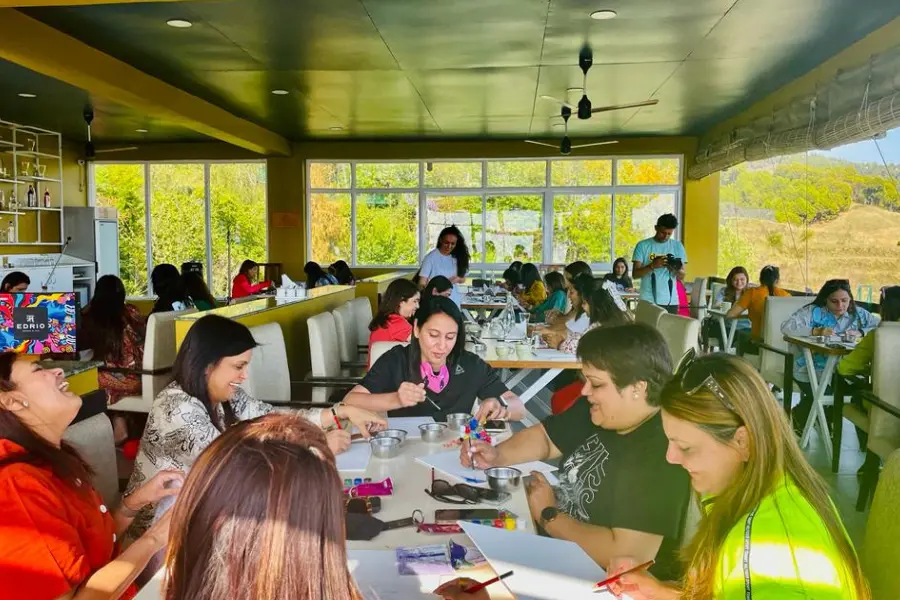
The experiences that break this pattern most effectively are ones that create a shared challenge or shared task where organisational hierarchy is temporarily irrelevant. A trek through pine forest toward the Khadd stream mixes people by pace, not seniority. A pottery session led by a local artisan creates a shared beginner’s experience that a VP and a junior analyst navigate with equal uncertainty. A Himachali cooking session around a fire produces the kind of side-by-side focus that makes conversation easy without making it the point.
Plan at least two experiences of this kind deliberately, in different configurations, so that by the end of the retreat every team member has shared something real with at least two people they don’t normally interact with. That cross-pollination is the structural foundation of the closeness the retreat is supposed to produce.
Protect the Unscheduled Hours – Then Close Well
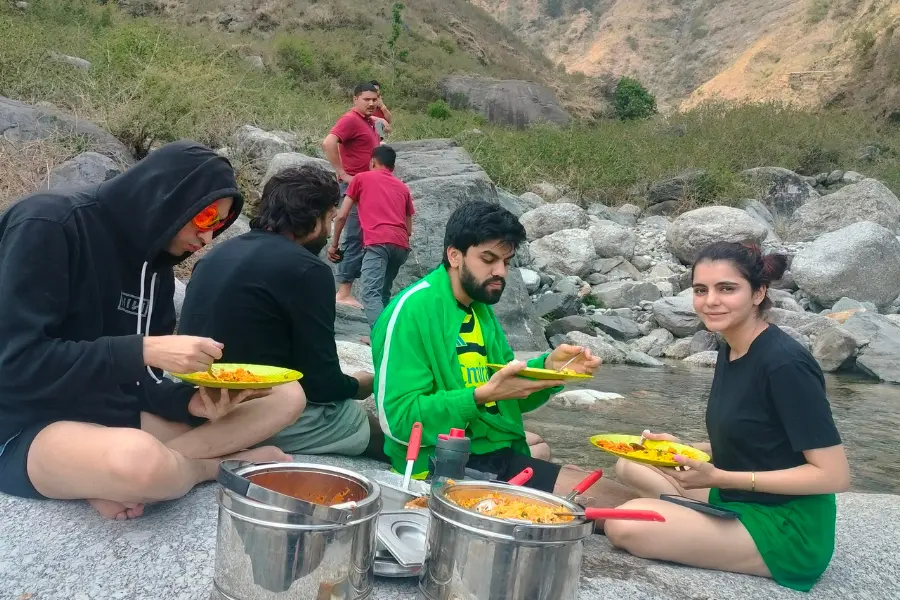
The most important hours of a corporate retreat are the ones without a programme. Not because nothing happens in them, but because what happens is entirely voluntary – and voluntary interaction between colleagues is the only kind that produces trust. The walk nobody planned, the extended conversation over dinner that had nowhere to be, the morning someone spent on the cottage deck talking to a teammate they’d only ever known through a project thread.
Protect these hours actively. That means resisting the urge to fill the evening with a scheduled activity, leaving mornings open before sessions begin, and not treating white space in the programme as a planning failure. At Rakkh, this is built into the retreat design by default – the grounds, the trails, the outdoor spaces are available without booking, without a guide, without a programme. The 24/7 Maggi Station that runs on hunger rather than a schedule has produced more genuine team conversations than most facilitated icebreakers in the archive.
Finally: close the retreat deliberately. Not with a debrief that lists takeaways on a whiteboard, but with something that marks the shift – a shared meal, a bonfire evening, a few minutes where each person says one thing they’re taking back that isn’t on the official agenda. The retreat that ends cleanly, with that shared acknowledgment, carries its closeness further into the weeks that follow than one that simply dissolves into the journey home.
Ready to plan a corporate retreat that brings your team genuinely closer? Discover the conditions Rakkh creates at https://rakkh.com/corporate-retreat/