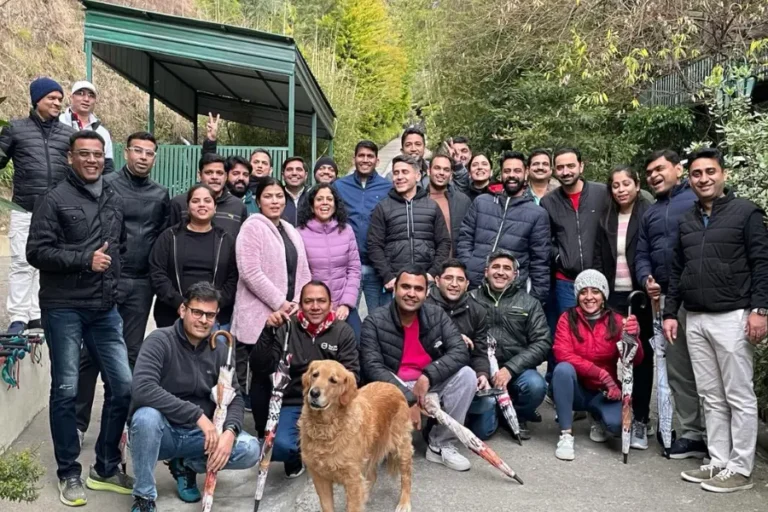
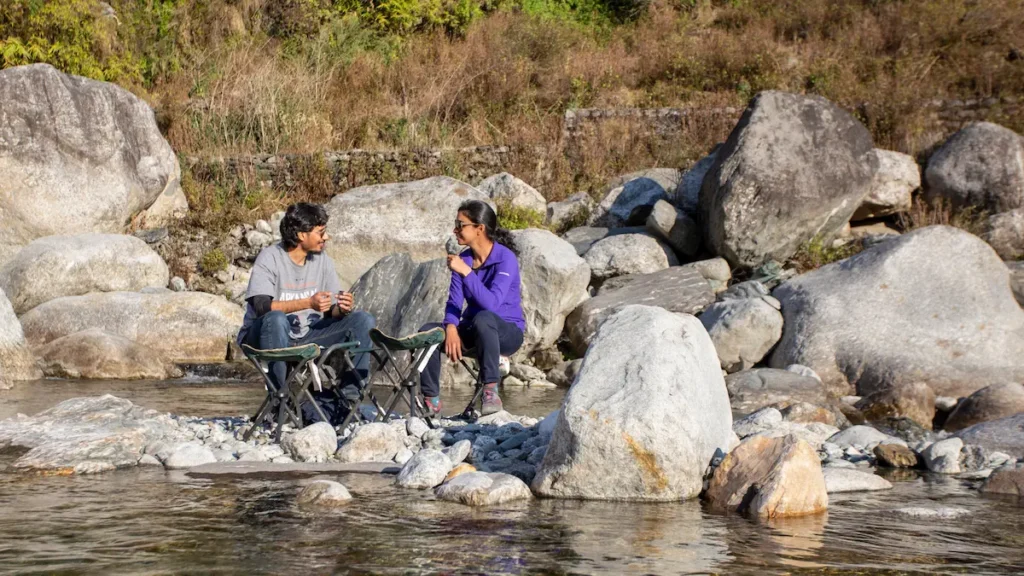
Every corporate retreat starts with an agenda. Icebreakers at 10, a strategy session after lunch, a team-building exercise before dinner. Someone, somewhere, has put real thought into the schedule. And yet, ask any employee what they actually remember from a retreat months later, and it’s rarely the icebreaker. It’s the twenty minutes spent waiting for a van. The conversation on a walk back from dinner. The colleague who turned out to be surprisingly funny once nobody was “facilitating” anything.
This is the part of a retreat nobody writes into the itinerary – and at Rakkh, one of the more thoughtfully designed settings for corporate retreats in Himachal Pradesh, it’s treated as just as important as anything that is.
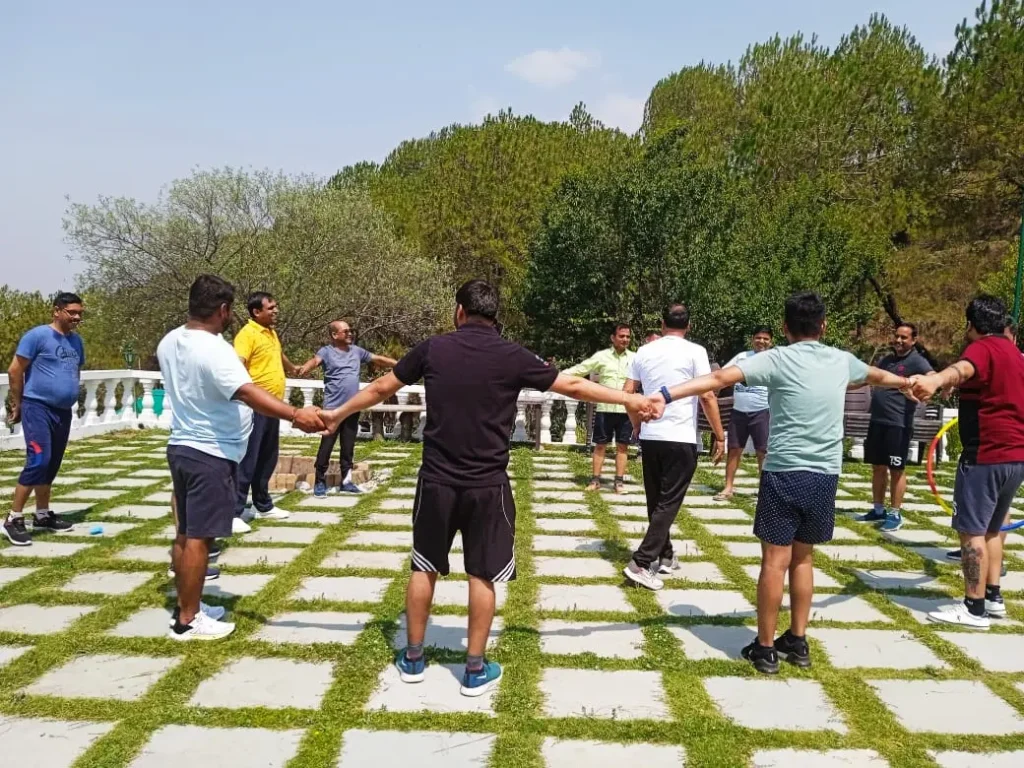
The Problem With a Packed Schedule
Most corporate retreats are designed like a sprint. Back-to-back sessions, a tightly timed list of “fun” activities, very little white space in between. The logic seems sound: if the goal is team bonding, surely more activities mean more bonding.
In practice, this often backfires. A packed schedule leaves people performing connection rather than experiencing it. Everyone is moving from one structured moment to the next, rarely given the chance to simply exist around each other without an objective attached. The trust-fall happens. The whiteboard session happens. But the actual shift in how colleagues relate to each other – the thing the retreat was meant to produce – often doesn’t have room to occur.
Where the Real Bonding Happens
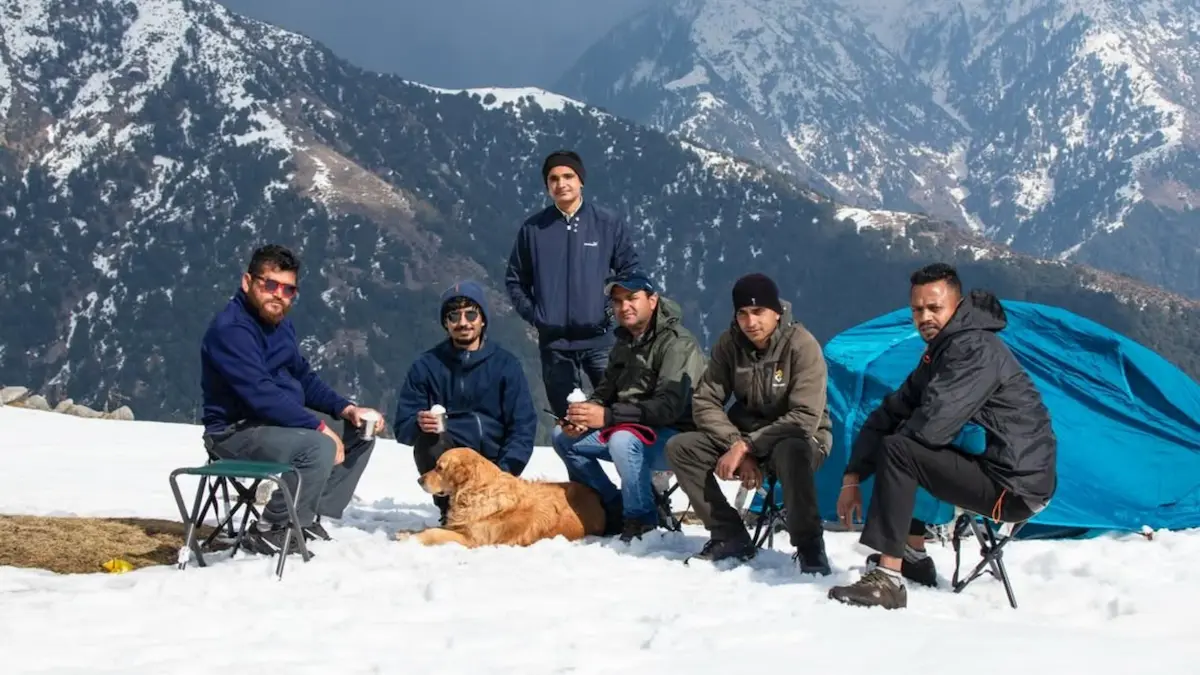
The most meaningful moments on a retreat tend to be the ones nobody planned. A spontaneous conversation while waiting for the rest of the group. A colleague mentioning something personal, unprompted, while sitting by a bonfire with no agenda attached to the evening. Two people from different departments ending up on the same bench during a quiet hour, talking about something that has nothing to do with work.
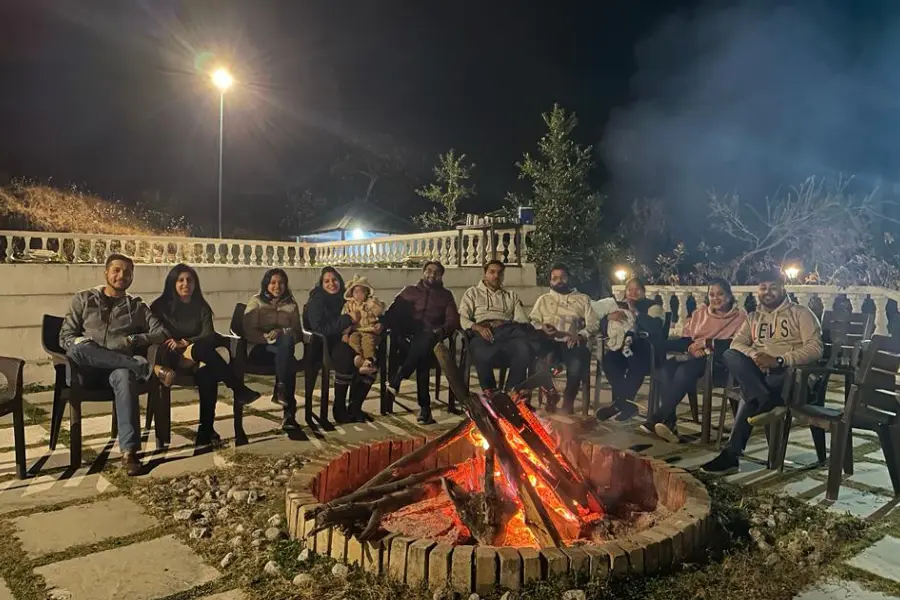
These moments work because they’re voluntary. Nobody is performing for a facilitator’s clipboard. There’s no exercise to “complete.” It’s simply two people, unstructured time, and a setting that doesn’t demand anything of them. That combination tends to build trust faster than almost any organised activity can – because trust, as most people instinctively know, isn’t built through instruction. It’s built through unguarded time.
How Rakkh Builds Room for This
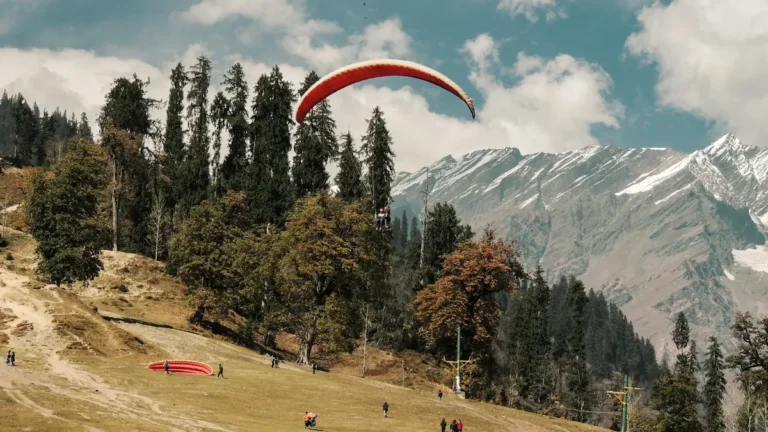
This is where the setting itself starts to matter as much as the schedule. Rakkh’s own philosophy – that “nothing is rushed, nothing is forced,” that days are meant to “unfold gently” – translates directly into how corporate retreats here are structured. Mornings aren’t crammed. Treks don’t have a strict start-to-finish itinerary stapled to them. There’s deliberate space between sessions, not because nothing is happening, but because the in-between time is recognised as part of the experience, not a gap to be filled.
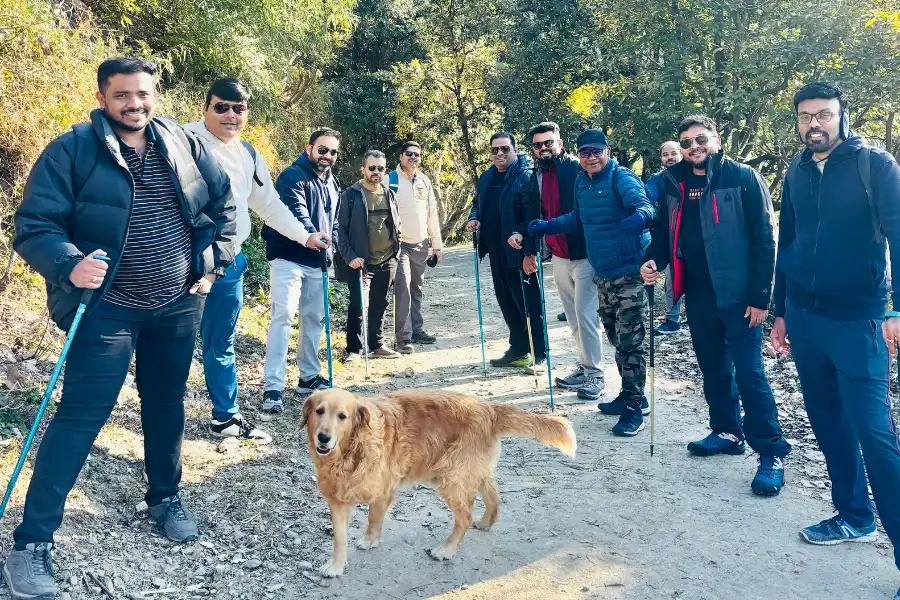
A walk to a viewpoint becomes an opportunity for two colleagues to talk without a meeting title attached. A long, unhurried meal becomes the setting for conversations that a 45-minute “networking session” back at the office never quite manages to produce. None of this needs to be scheduled – it just needs space to happen, and a setting that doesn’t rush people past it.
What Teams Actually Take Back
When a retreat is built entirely around structured activities, what teams take back is usually a checklist: we did the trek, we did the workshop, we did the dinner. When a retreat makes room for unplanned time, what teams take back is something less easy to itemise, but far more durable – they actually know each other a little better than they did before.
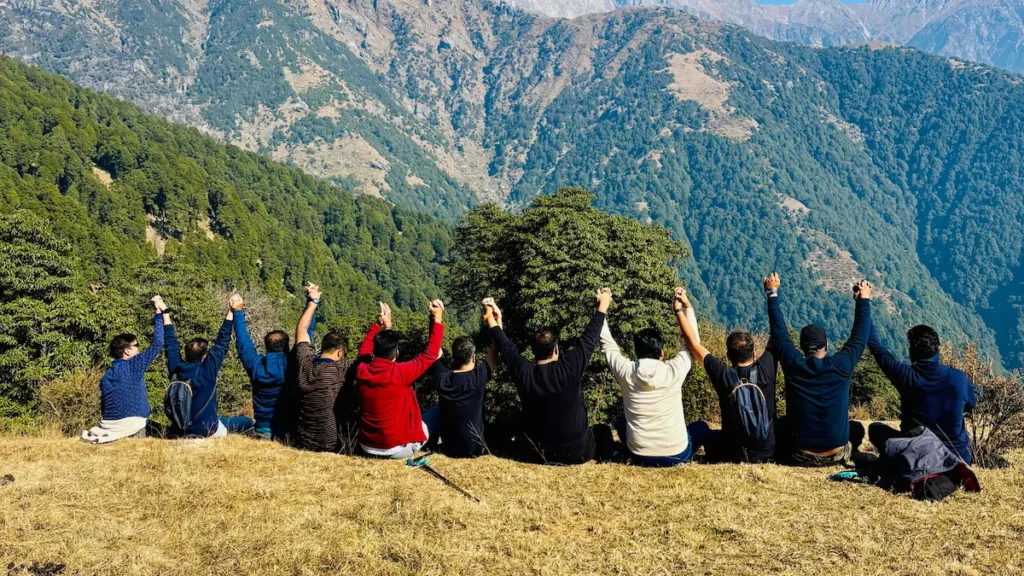
This is, in many ways, the quiet argument for choosing a setting like Rakkh for a corporate retreat. The mountains don’t run an icebreaker. They simply give people room to slow down enough to actually talk to each other – and that, more often than any planned activity, is what teams remember long after the retreat ends.
Planning your next offsite? See how Rakkh designs corporate retreats that leave room for what matters most.