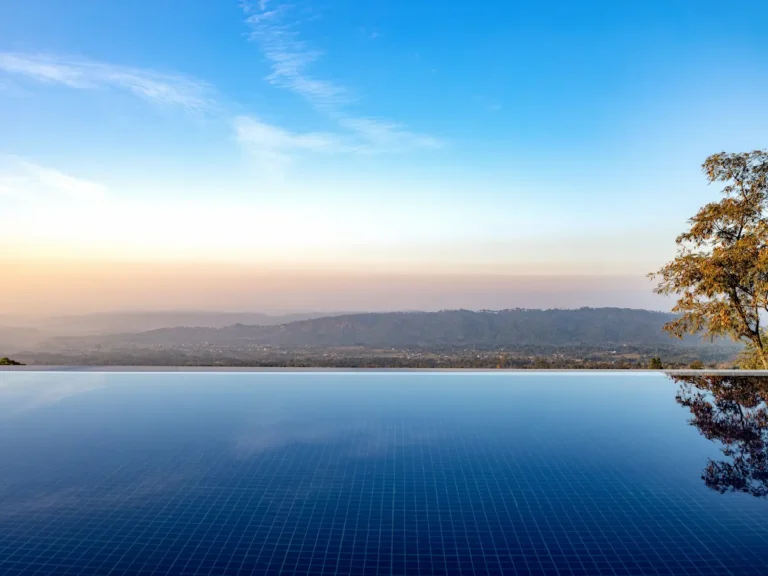
Say “Dharamshala” to most travellers, and the picture that comes to mind is simple: hills, cool air, a break from the heat. It’s not wrong, exactly. But it’s incomplete in a way that misses almost everything interesting about the place.
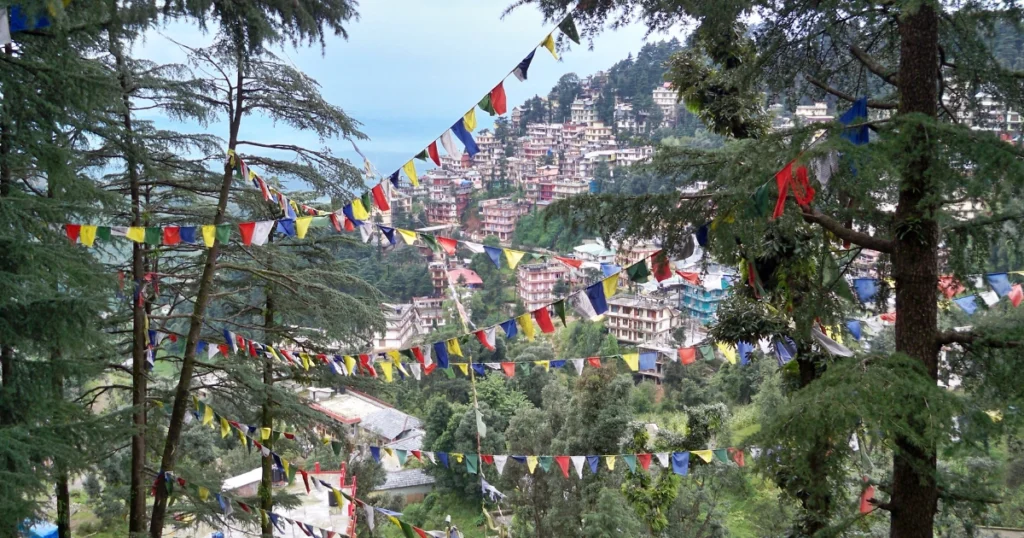
Dharamshala carries Tibetan culture in its streets, centuries of Pahari art in its valleys, and a name – “Little Lhasa” – that exists because of history, not branding. At Rakkh, a resort in Dharamshala built into this landscape, the goal has never been to compete with that history. It’s to make sure guests actually notice it.

A Hill Station Is a Description. A Culture Is an Inheritance.
“Hill station” is a colonial-era term, really – a category invented to describe a place where people went to escape the plains. It says something about elevation and temperature. It says nothing about who actually lives there, what they believe, what they’ve built over generations.
Dharamshala is home to one of the largest Tibetan communities outside Tibet, a living tradition of thangka painting and wood carving, monasteries where monks still practise the same meditative rituals their teachers did decades ago. A few hours away, the Kangra Valley holds its own distinct artistic lineage – the delicate, narrative-driven Pahari miniature paintings that art historians still study today. None of this fits into the phrase “hill station.” It needs a different kind of attention.
Why Rakkh Doesn’t Just Mention This – It Builds Around It
Rakkh’s own name is a piece of this same inheritance. “Rakha” is Pahari for hill-top, the very location the resort sits on. But it also borrows from “Rabb rakha” – a Punjabi blessing meaning “may God keep you well” – a phrase with deep roots in the region’s everyday language and faith. Even the resort’s name carries local culture inside it, rather than simply sitting on top of the land it occupies.
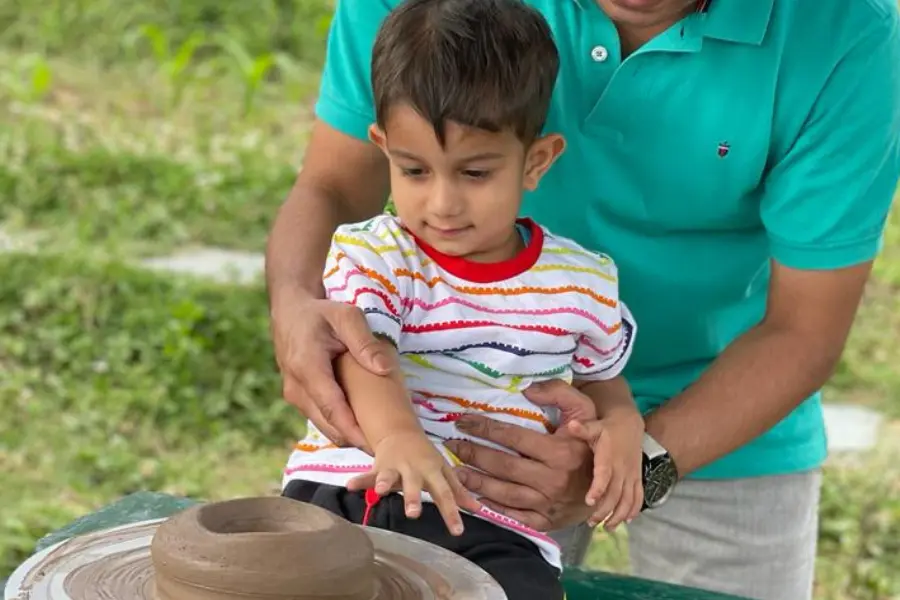
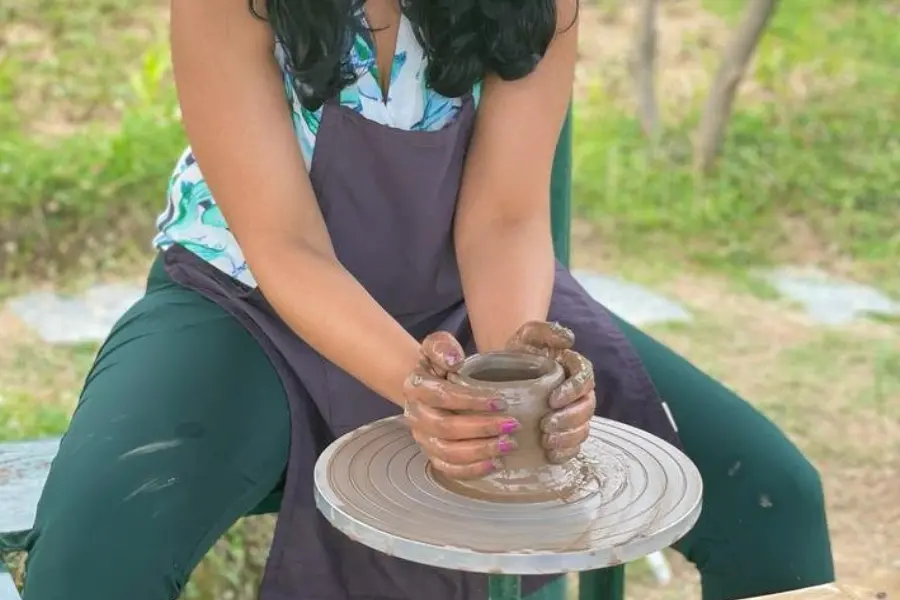
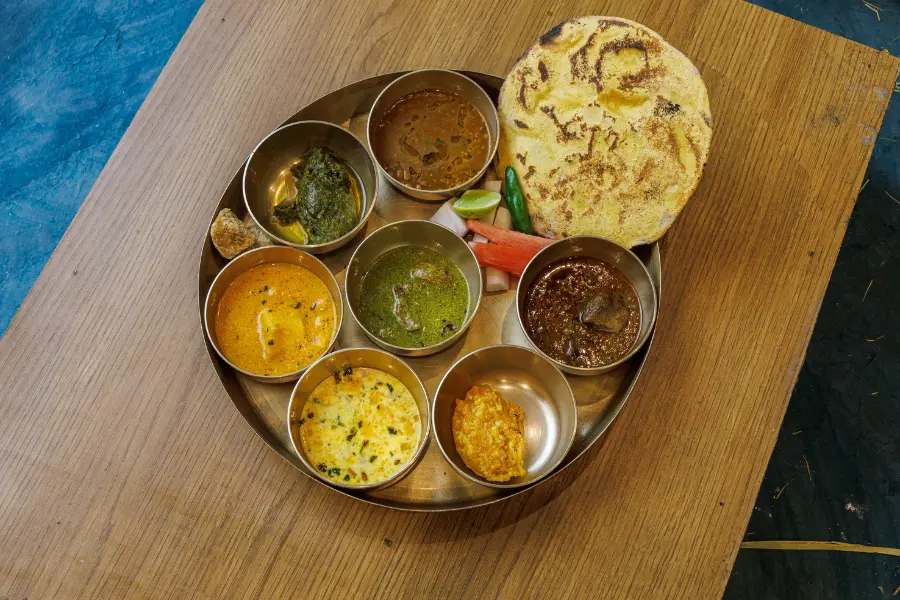
This is why Rakkh describes itself not just as a resort in Dharamshala, but as something closer to a living showcase of the region’s heritage. Guests aren’t handed a brochure about local culture and left to go find it themselves. They’re invited into handloom weaving sessions on a traditional wooden loom, pottery sessions led by local artisans, and the Himachali Rasoi – a meal inspired by the centuries-old Dham feast, cooked the way it has always been cooked, without onion or garlic, slow over a fire, served the traditional way on pattal leaf plates.
What Guests Miss When They Only See the Hills
It’s easy to visit Dharamshala, take in the view, and leave without realising how much was happening just beneath the surface – a festival at Dal Lake honouring local tradition, the Gaddi community’s presence in the region, an art form quietly continuing in a nearby valley regardless of whether any tourist notices it.
This is the gap Rakkh tries to close. Not by turning culture into a performance staged for visitors, but by genuinely involving guests in practices that are still very much alive here – a craft taught by someone who learned it from their own family, a feast cooked using recipes that predate the resort itself, a conversation with staff who are from these hills and speak about them with real pride rather than a rehearsed script.

Noticing Is the Point
A stay built only around the view will always feel slightly incomplete, because the view is only one part of what makes Dharamshala worth visiting. The deeper reward is in noticing what the hills are actually made of – the people, the festivals, the art, the food, the long memory the region carries quietly within it.
That’s the real difference between visiting a hill station and arriving somewhere with a story. Rakkh exists to make sure guests leave having experienced the second, not just the first.
Looking for a resort in Dharamshala that lets you live the culture, not just admire the view? Discover Rakkh.