Every trip begins with a decision most people make without noticing. Before the destination, before the dates, there is a simpler question underneath: what do I want the place I sleep in to do for me?
A hotel in the city and a resort in Palampur both give you a bed, a meal and a door that locks. After that, they stop being the same thing. One is designed to stay out of your way while you get on with the city. The other is designed to be the reason you came. Neither is better in the abstract. They suit different kinds of days, and different kinds of tired.
So here is a plain way to tell which one your next trip needs.
What a City Hotel Does Well
Credit where it is due. A city hotel is hard to beat on convenience. It sits near the airport, the station, the meeting or the restaurant you booked three weeks ago. It runs on efficiency: check in quickly, sleep, leave early. If the trip is about the city itself, or about a packed work schedule, a hotel that fades into the background is exactly what you want. You are borrowing a room, not a place.
The trade-off is that the stay rarely stays with you. Ask someone about their last business trip and the hotel is usually a lobby and a lift. The room did its job, and then it disappeared from memory.
What a Resort in Palampur Does Differently
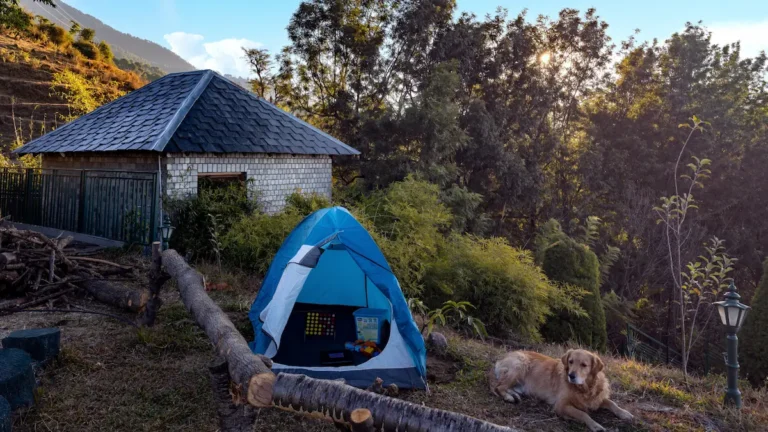
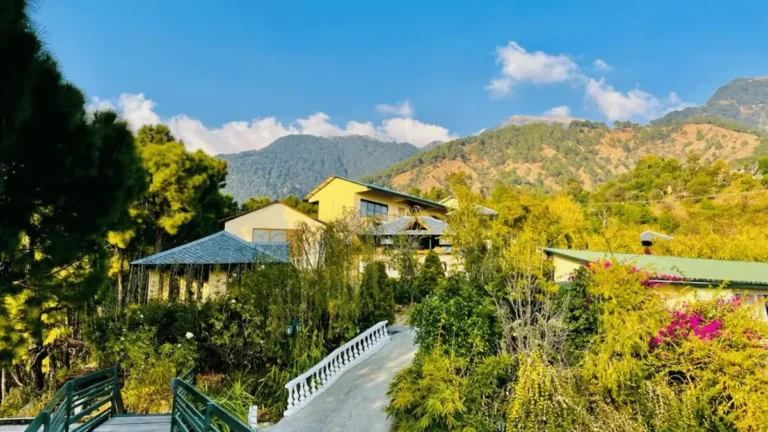
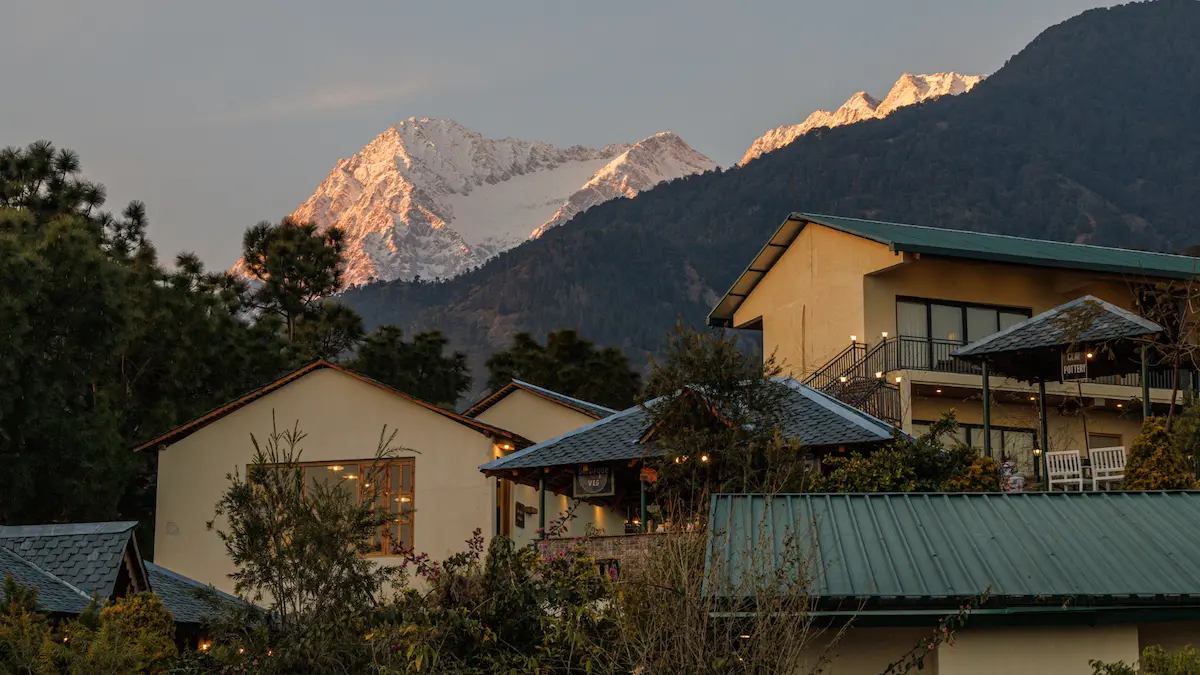
A resort in Palampur begins from the opposite premise: the setting is the point. At Rakkh, on a hilltop above the Kangra Valley, the Dhauladhar range sits across from the cottage window and forest trails begin a short walk from the door. With a small number of cottages and rooms, it feels less like a building you are passing through and more like a place you are staying in.
Nothing has to be commuted to. Breakfast, a walk through the pines, an afternoon at the pool or at a pottery wheel with a local artisan, a Himachali Rasoi dinner cooked the way it has been in these hills for generations: all of it happens within the property, so the day is never organised around leaving it.
That changes how time feels. In a city hotel, the day is something you travel through. At a resort in Palampur, the day is something you are inside.

Four Questions That Settle It
If you are still undecided, these four questions usually do the work.
What is the trip for? If it is meetings, sightseeing or a stopover, the city hotel wins. If it is rest, a reset or time together, a resort in Palampur is built for exactly that.
How should your mornings feel? A city morning tends to begin with the day’s demands arriving early. A morning at Rakkh begins with light on the mountains, birdsong and a cup of Kangra tea, with nothing urgent in sight.
Do you want to go out, or stay in? A hotel in the city is a base for going out. A resort is a destination you stay in. Neither is wrong, but be honest about which kind of holiday you actually enjoy.
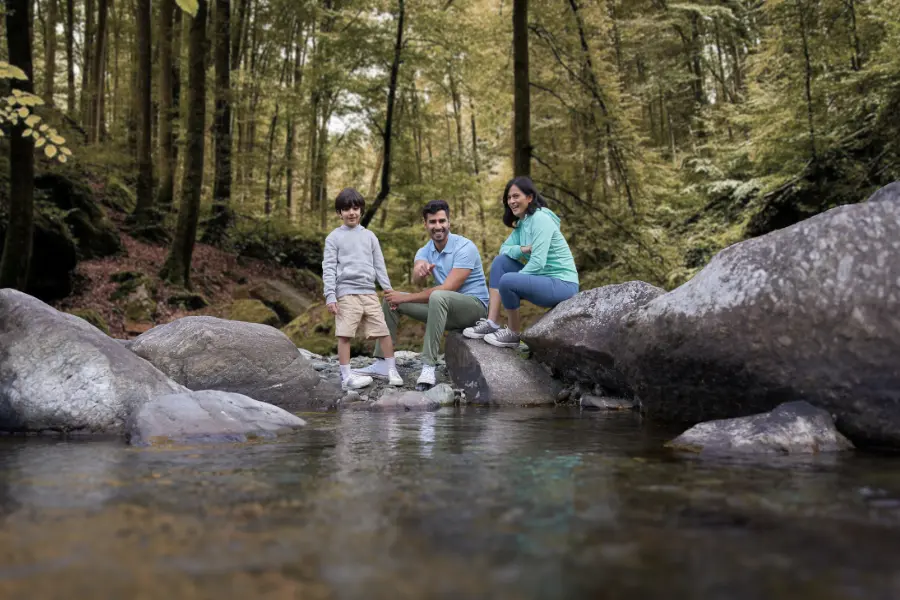
Who is coming with you? Families, couples and teams all need room to do different things at the same time. Open grounds, trails and quiet corners give a group that room far more easily than a corridor of identical doors.
The Honest Trade-Offs
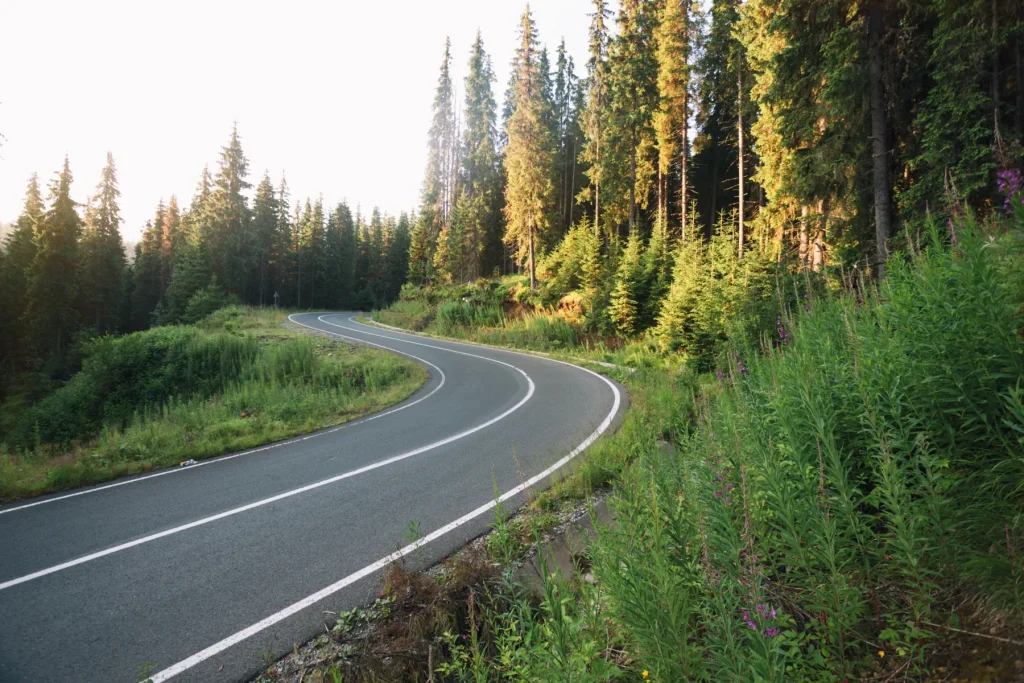
A resort asks something of you in return. You have to travel to it, which in Palampur means a short drive from town rather than a walk to the nearest cafe. There is no late-night street to wander down and no skyline to look out on. If nightlife and city sights are what you came for, a hotel in the city is the better answer, and it is fine to say so.
What the journey buys, though, is distance: from the notifications, from the traffic, from the version of yourself who is always on the way to something else. For many travellers, that distance is the whole reason for going.
Choosing Well
Choose the hotel when the city is the destination. Choose a resort in Palampur when you are. If what your next trip needs is a slower pace, mountains at eye level and a stay you can still describe in detail months later, Rakkh was built for exactly that kind of arrival.

Deciding between a resort in Palampur and a hotel in the city? See what a mountain stay feels like at Rakkh: https://rakkh.com/